
Pool and Spa Safety
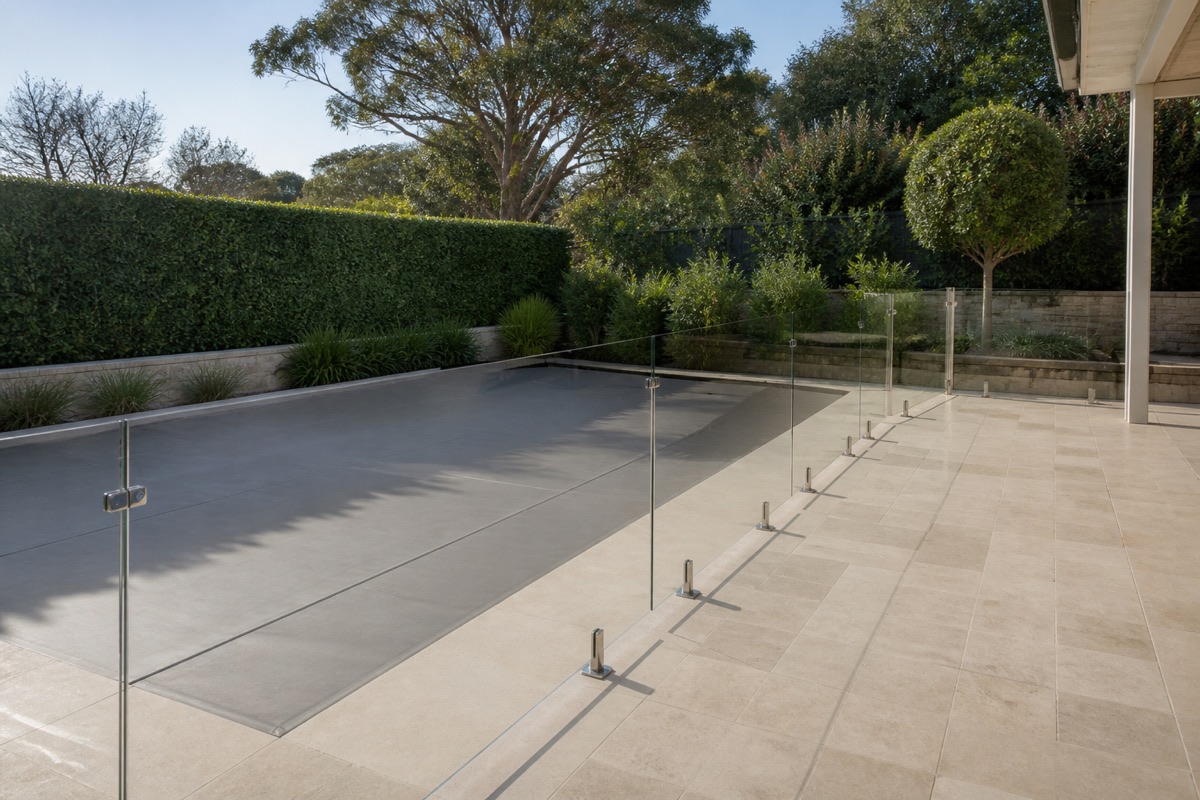
Pool and spa safety planning covers how people, pets, and weather meet an open body of water. Automatic covers, mesh safety covers, fences, alarms, and supervision are different tools. None of them is universal. Model codes and PHTA standards exist, but the edition that applies is the one adopted by the city, county, or country of the project. A listed cover can be a barrier option in one place and still sit behind a required fence in another. A cover only works as a barrier when it is fully closed, in repair, and used as designed. This hub explains the questions to ask and the inspections that keep a cover honest. It is not legal advice, an engineering certification, or a claim that any product meets every code. Unsigned safety pages are journal voice, not a licensed opinion.
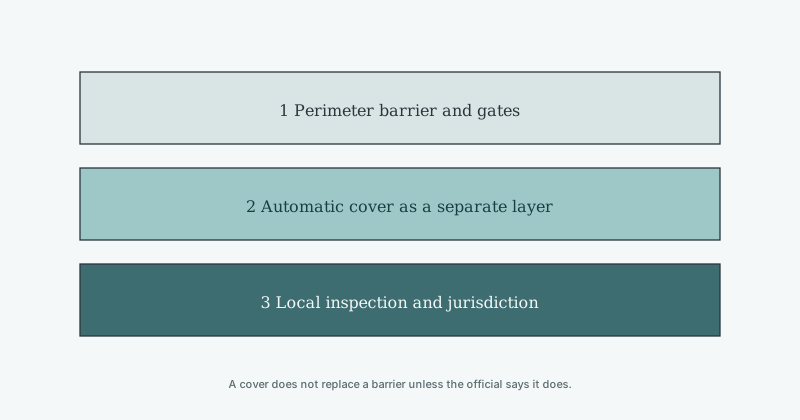
Does a safety cover replace a barrier?
Sometimes a listed automatic safety cover is accepted as a barrier option. Sometimes a fence is still required. The answer is local. Read the adopted residential or public-pool code, then ask the building official.
A cover only works as a barrier when it is fully closed, in good repair, and used as designed. A half-open cover is not a safety device.
What should an inspection checklist include?
Tracks, fabric condition, stop limits, key-switch location, standing water, and the emergency procedure belong on a written list. Commercial sites should assign a person and a frequency.
Standing water on a cover is a drowning and load risk. Pumps and drainage are part of the safety system, not extras.
What belongs on a written inspection list?
Tracks, fabric, stop limits, and the key-switch location belong on a dated list. Add standing-water drainage, the emergency open procedure, and who holds spare keys. A cover that meets a standard on the day of commissioning is not a barrier three seasons later if the fabric is torn or the limits have drifted. Commercial sites should assign a person and a frequency. Residential sites still need a calendar, not a memory.
Standing water on a cover is a drowning and structural-load risk. Pumps and drainage are part of the safety system. A half-open cover is not a safety device. Alarms do not hold weight. Fences do not stop a child already inside the enclosure. Write those limits next to the product name so a later reader does not treat one tool as a complete program.
Cite standards as editions to verify, not as decorations. Start with the adopted residential or public-pool code, then ASTM F1346 if a safety cover is in scope, then the PHTA document the official names. If you cannot find the year, do not put a number on the drawing. Link the current publisher pages below and confirm them before a bid.
How do you stack tools without pretending one is enough?
A listed automatic cover, a fence, an alarm, and a person who can see the water do different jobs. Write them as a stack. The cover closes the water plane when it is fully shut. The fence isolates the deck. The alarm signals an unexpected entry. Supervision is still required. Removing one tool because another exists is how programs fail.
Ask the building official which stack the adopted code accepts. Do not copy a sentence from a manufacturer homepage onto a permit set. If the official still requires a fence after a listed cover, the fence stays. This page will not argue that case for you.
Public and hotel pools add a health-department layer that a house does not. Hours, bather load, and a named closer belong in that stack. A backyard procedure is not a commercial safety plan.
What should never appear on a safety drawing from this journal?
A claim that a product meets every code. A phone number from the former resort listing. A HowTo that treats cover installation as a consumer recipe. A hotel or day-spa schema. Those items would teach the wrong entity or the wrong confidence.
Put the adopted edition, the inspection list, and the limit “this is not a legal opinion” on the sheet instead. If a number cannot be verified, leave the number off. Unsigned safety pages stay conservative until a named reviewer appears on the authors page.
Safety tool comparison
| Tool | What it can do | What it cannot do |
|---|---|---|
| Automatic safety cover | Close the water plane when specified and fully shut | Replace supervision or a required fence by default |
| Mesh or solid safety cover | Seasonal barrier when anchored and rated | Daily convenience of an automatic system |
| Fence and gate | Isolate the yard or deck | Stop a child already inside the enclosure |
| Alarm | Signal an unexpected entry | Hold weight or block access |
Related hubs
- Automatic Pool Covers
Types, tracks, retrofit versus new-build, spa covers, safety, and energy for specifying an automatic pool cover.
- Commercial Pool and Spa Design
Hotel, resort, and commercial aquatic planning for developers, consultants, contractors, and operators.
- Pool and Spa Maintenance
Operations, cover care, and troubleshooting for owners and facility teams.
Standards to verify
- ASTM F1346
Safety-cover performance criteria. Confirm the edition adopted by the authority having jurisdiction before you cite it on a drawing.
- Pool & Hot Tub Alliance
Residential and public pool and spa standards. Use the edition the project jurisdiction has adopted, not a homepage summary.
- ICC Digital Codes
Model residential and public-pool barrier language. Local amendments control.
Questions
- Which standard numbers should I cite?
- Start with the edition adopted locally. ASTM F1346 is commonly cited for safety covers in the United States. PHTA publishes residential and public pool and spa standards. Confirm numbers and years before you put them on a drawing.
- Is this page a code opinion?
- No. It is a planning brief. The authority having jurisdiction decides what the project must build.
- If the cover is listed to ASTM F1346, can I skip the fence?
- Only if the authority having jurisdiction says the adopted code allows it. Listing is a product performance claim. The official decides the barrier. Confirm the edition before you remove a fence from the drawing.