
Pool Energy Efficiency
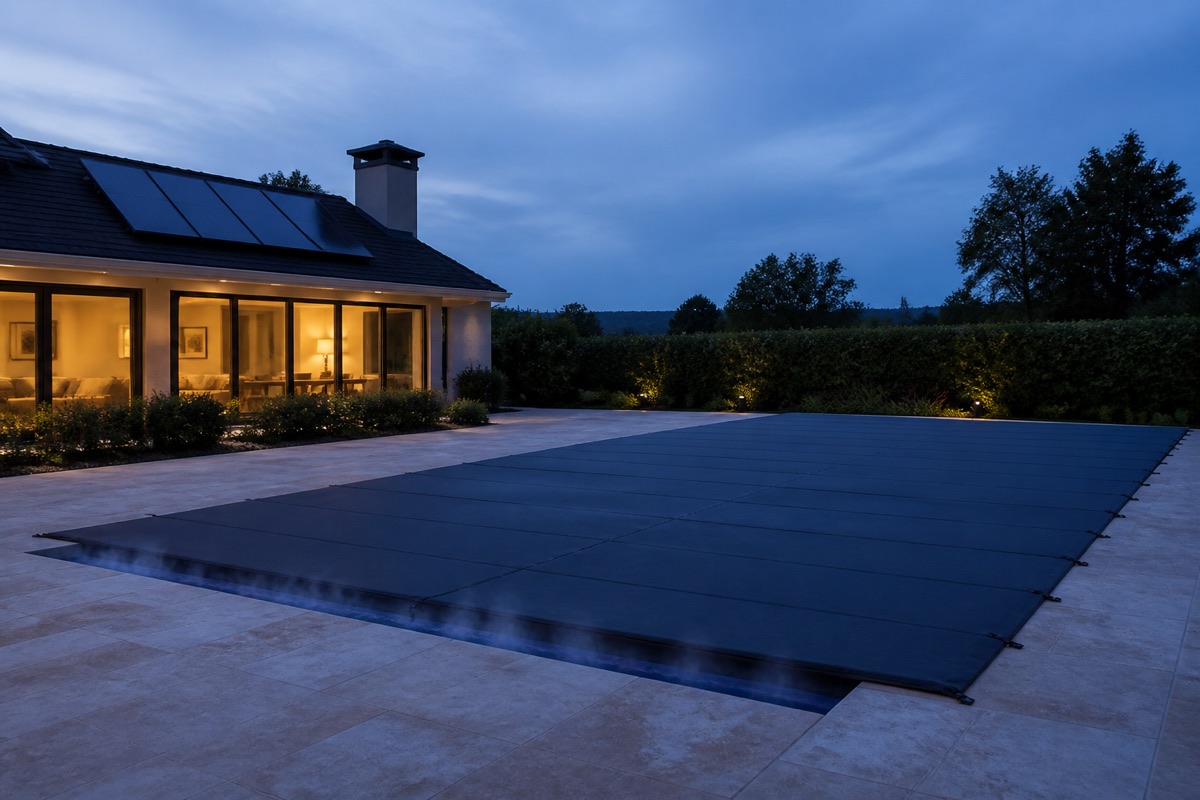
Pool energy efficiency is the work of cutting heat loss, evaporation, and pump waste on a swimming pool or spa. A cover is often the largest single control because it cuts night radiation and wind-driven evaporation. Solar heating, heat pumps, and variable-speed pumps are the other common tools. This hub will not quote a universal savings percentage. Those numbers depend on climate, hours uncovered, water temperature, wind, and whether anyone actually closes the cover. If those inputs are missing, treat the claim as marketing. The former Centaur Health Resort site described a solar-heated pool. That history is a topic fit, not a performance claim for this journal. Any later calculator will list its assumptions next to the result. Pair collection with retention: a heat pump or solar array still needs a cover story at night.
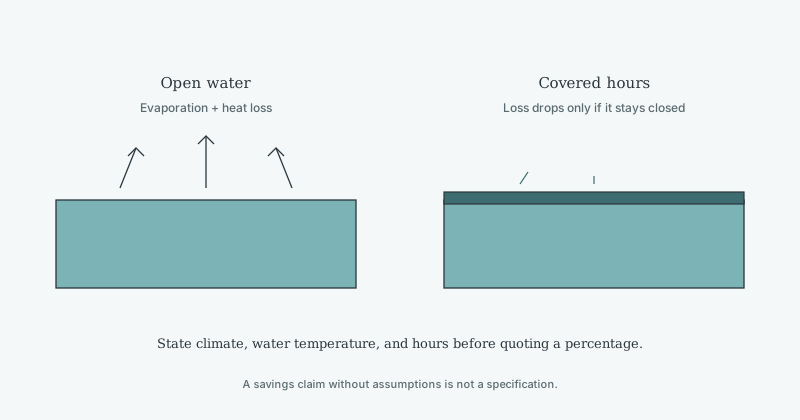
How do you reduce pool evaporation?
Still air, lower water temperature, and a closed cover reduce evaporation. Wind, spas, and water features increase it. A liquid film is not a substitute for a mechanical cover when safety is also in scope.
Any savings estimate should list climate, hours uncovered, and water temperature. If those inputs are missing, treat the number as marketing.
Where do covers sit in an energy plan?
A well-fitted automatic cover can cut heat and makeup water when it is closed for the hours the pool is unused. It cannot save energy if staff leave it open.
Solar collectors and heat pumps still need a control story. Pair them with a cover if the project wants both collection and retention.
What assumptions must sit next to any energy number?
Climate, water temperature, hours uncovered, wind, and whether a spa or a water feature stays open. If those inputs are missing, treat the percentage as marketing. A liquid film is not a substitute for a mechanical cover when safety is also in scope. A heat pump sized for an always-open pool will not match a covered night profile.
Pair collection with retention. Solar collectors and heat pumps still need a control story. A cover that stays open at night wastes both. Variable-speed pumps help when turnover can run longer at lower speed. They do not fix leaking or oversized piping. Write the operations sentence with the equipment sentence.
This cluster continues the older green-spa story of the domain without pretending the resort still operates here. A dedicated solar guide is planned after the hub. Until it ships, do not copy a homepage savings claim onto a specification.
How do you write a worked example without inventing a savings percentage?
List climate, water temperature, hours uncovered, wind, and whether a spa or a feature stays open. Then describe the measure: cover closed those hours, or heat pump on that schedule, or pump at that speed. State what you did not measure. A later calculator will use the same fields. A homepage that says “save 70 percent” without those fields is marketing, not a worked example.
Makeup water belongs next to heat. Evaporation is a water cost as well as an energy cost. A closed cover can cut both when it is actually closed. Staff who leave it open cancel the example. Write the operations sentence in the same paragraph as the equipment sentence.
Solar heating on this domain has a history: the former resort site described a solar-heated pool. That is why solar stays in this cluster. It is not a test result for a project you have not measured. Pair collectors with a cover if you want collection and retention. Collection alone at night is a story, not a system.
Where does water conservation sit in this hub?
Lower evaporation, fewer dumps caused by chemistry swings after a closed cover, and a plant that does not leak. Do not claim a conservation number without hours and climate. A dedicated conservation guide can attach later. Until then, treat water as a line in the energy brief, not a separate slogan.
Energy measures and limits
| Measure | Helps when | Does not replace |
|---|---|---|
| Automatic cover | The pool is closed many hours and someone operates it | A heater sized for an always-open pool |
| Solar heating | Sun and roof or rack area exist | Storage if the cover stays open at night |
| Heat pump | Mild climate and power are available | Wind loss on an uncovered spa |
| Variable-speed pump | Turnover can run longer at lower speed | A leaking or oversized piping layout |
Related hubs
- Automatic Pool Covers
Types, tracks, retrofit versus new-build, spa covers, safety, and energy for specifying an automatic pool cover.
- Pool and Spa Maintenance
Operations, cover care, and troubleshooting for owners and facility teams.
- In-Ground Spa Design
Outdoor built-in spa seating, depth, jets, heating, and insulation for pools and standalone spas.
Questions
- Why does this journal refuse a single energy-savings percentage?
- Because climate, setpoint, and hours uncovered move the result. A later calculator will show a worked example with listed assumptions. Copied homepage claims will not.
- Is solar pool heating in scope?
- Yes. It matches the older green-spa story of this domain and belongs in this cluster. A dedicated solar guide is planned after the hub.
- Why will this journal not publish a single pool-cover savings percentage?
- Because climate, setpoint, wind, and hours uncovered move the result. A number without those inputs is a slogan. Wait for a calculator that lists assumptions, or write the assumptions yourself next to any figure you use.